

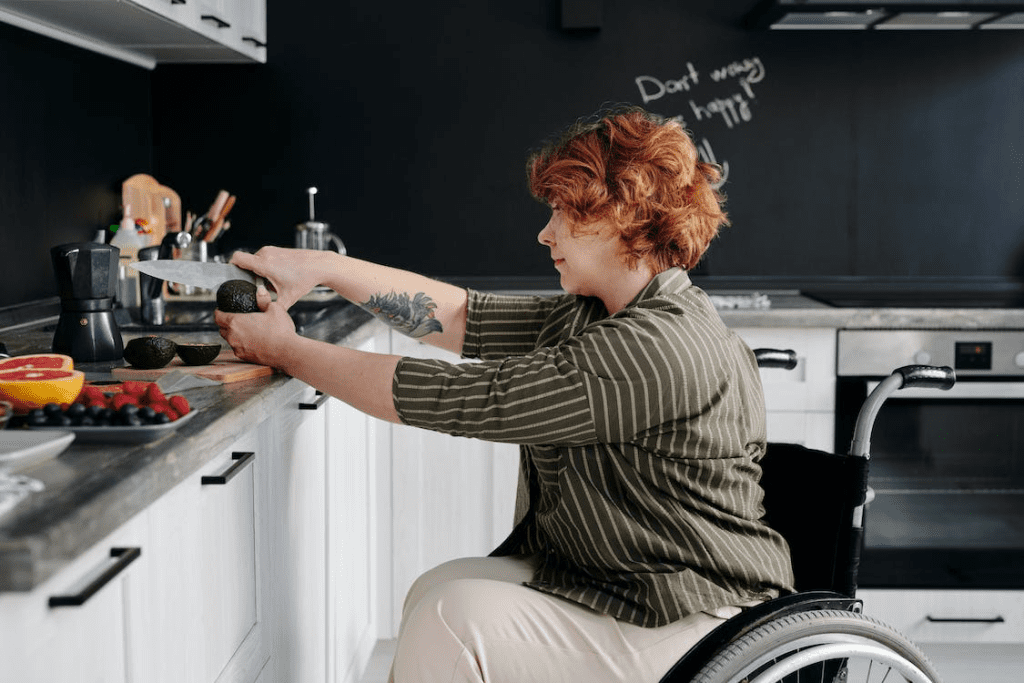
NDIS Supported Independent Living (SIL) is a popular support system accessed by many vulnerable individuals as it empowers them to live a fulfilling and independent life. The National Disability Insurance Scheme (NDIS) provides support and accommodation options tailored to the unique needs of participants. By offering various services and assistance, SIL aims to enhance individuals’ daily living skills, promote social inclusion, and enable community participation.
Understanding the concept and benefits of supported independent living is crucial for individuals with vulnerabilities, their families, and support networks. In this blog, we will look into NDIS-supported independent living in Melbourne and explore how it positively impacts the lives of those who access it.
What is Supported Independent Living?
This support enables NDIS participants to live more independently by offering assistance tailored to their needs and goals. The primary purpose of supported independent living is to support NDIS participants to live fulfilling lives within their communities while receiving the necessary support to enhance their independence and quality of life.
Rather than relying on institutionalised care, SIL promotes a person-centred approach, allowing individuals to choose the type of arrangement they feel most comfortable in.
Here are some key features of NDIS-supported independent living:
-
Tailored Support
Supported Independent Living recognises that every individual has unique needs and preferences. It provides personalised support services based on an individual’s impairment, goals, and aspirations. The support can range from assistance with personal care, meal preparation, and household chores to building skills for independent living.
-
Individualised Accommodation
It offers a range of accommodation options to suit different preferences and requirements. This can include shared housing with other participants, community housing, or specialised disability housing. The aim is to create a safe and inclusive environment that promotes independence and community integration.
-
Skill Development
This support focuses on developing essential life skills to enhance independence. This may include supporting individuals in budgeting, grocery shopping, cooking, transportation, and accessing community services. By building these skills, participants can gain more control over their lives and achieve greater autonomy.
-
Choice and Control
SIL upholds the principles of choice and control, allowing participants to have a say in the support they receive and how it is delivered. It encourages individuals to actively participate in decision-making processes, enabling them to shape their living arrangements and the assistance they require.
-
Collaboration and Coordination
It involves collaboration among various stakeholders, including participants, support workers, families, and service providers. Effective coordination ensures that the support services are aligned with the individual’s goals and needs, promoting holistic and person-centred care.
Types of NDIS-Supported Independent Living
NDIS-supported independent living in Melbourne has options available to cater to individuals with vulnerabilities’ diverse needs and preferences. Let us look at these options and understand how they differ.
1. Shared Accommodation
This model involves NDIS participants living together in a shared household. Participants have private bedrooms while sharing common areas such as living rooms, kitchens, and bathrooms. Shared accommodation promotes social interaction and fosters community among the residents. It can be an excellent option for those who enjoy socialising and building connections with others in a supportive environment.
2. Community Housing
Community housing refers to arrangements where participants live in a self-contained unit or apartment within the broader community. This model offers individuals the opportunity to live independently while still having access to support services as needed. Community housing promotes integration and inclusion by enabling participants to engage with their local communities and access community resources and facilities.
3. Specialised Disability Housing
Specialised disability housing caters to individuals with specific disability-related needs or requirements. These accommodations are purpose-built or modified to provide a safe and accessible environment. They may include wheelchair accessibility, sensory adaptations, or assistive technology to support individuals with vulnerabilities. Specialised disability housing ensures participants have a living environment tailored to their unique needs and enhances their independence.
It is important to note that the choice of supported independent living type depends on an individual’s preferences, support needs, and funding availability. The NDIS considers the participant’s goals, functional capacity, and support requirements when determining the most suitable option. By providing a range of models, the NDIS aims to accommodate vulnerable people’s diverse needs and aspirations, fostering independence and community participation.
How Does Supported Independent Living Help People with Disabilities?
Independence, Choice, and Control
It aims to enhance participants’ independence by providing tailored support and accommodation options. It enables individuals to have greater control over their lives and make choices based on their preferences and goals. This support allows participants to decide how they want to live, the support they require, and the activities they want to engage in, promoting autonomy and self-determination.
Improved Daily Living Skills
NDIS-supported independent living in Melbourne focuses on developing essential daily living skills, enabling participants to carry out activities of daily living more independently. This may include personal care, cooking, cleaning, and managing household chores. By acquiring and strengthening these skills, participants can gain confidence and self-reliance, reducing their reliance on others for assistance.
Social Inclusion and Community Participation
SIL fosters social inclusion by creating opportunities for vulnerable individuals to engage with their communities. Through shared accommodation or community housing, participants have the chance to build social connections, interact with housemates or neighbours, and engage in community activities. It promotes a sense of belonging, reduces isolation, and encourages active participation in community life.
Enhanced Well-being and Quality of Life
By providing appropriate support and accommodations, supported independent living improves overall well-being and quality of life for NDIS participants. It reduces the stress and challenges associated with living independently with an impairment and ensures access to necessary support services. This helps participants feel more secure, supported, and empowered, leading to greater happiness and satisfaction in their daily lives.
Transition to Independent Living
SIL offers a structured pathway to independent living for individuals transitioning from institutionalised care or living with family. It provides the necessary support and guidance to gradually transition individuals into more independent living arrangements, equipping them with the skills and resources needed to thrive independently.
Key Takeaways
In conclusion, Supported Independent Living (SIL) is a pivotal component of the NDIS, offering tailored support and accommodations for NDIS participants. This support boosts independence, choice, and control while enhancing daily living skills, social inclusion, and community participation.
If you or someone you know requires NDIS-supported independent living in Melbourne, contact 668 Care today to discover how we can assist you on your journey towards independence. Contact now and discover all the NDIS supports you want to access.


